Ahead of Election Day, DPSCD Students Speak Up for Their Schools

Ahead of Election Day, DPSCD Students Speak Up for Their Schools
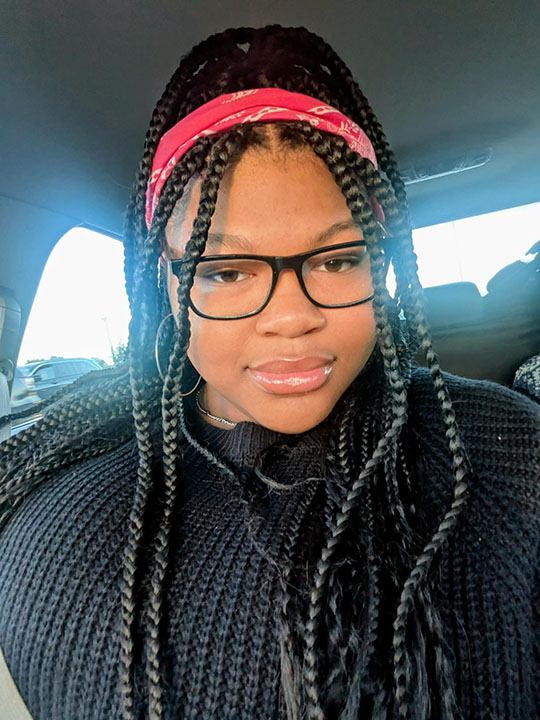
Millie Harris heard students say the district isn’t listening. As a student representative of Detroit Public Schools Community District’s (DPSCD) Board of Education, the Cass Technical High School junior wants to help change that.
She reached out to students at other high schools, asked what is happening in their buildings, and brought student accomplishments into her board reports. Having a place in those discussions, she said, comes with an obligation to hold district leadership and herself accountable.
With Election Day approaching Nov. 3, Harris has a message for young people who wonder whether they have a place in conversations about candidates, schools and public decisions.
“It’s not a grown folks conversation, it’s an everybody conversation,” she said.
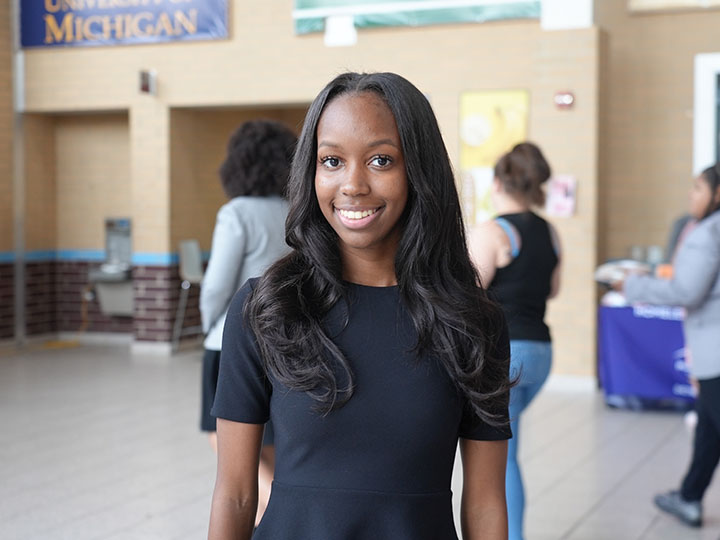
Harris is a member of DPSCD’s District Executive Youth Council (DEYC), which connects student representatives across the district and provides them opportunities to influence decisions impacting their education. For Harris and fellow juniors Lanisha Jenkins of Davis Aerospace Technical High School and Dominique Sullivan of Denby High School, civic engagement begins with listening to what classmates need and learning how to act on it.
That work has an everyday urgency for Jenkins. When she thinks about what elected leaders should address, she thinks about students trying to get home safely.
“It’s so cold and it gets dark very early, and so many of our students have to walk, sometimes alone in the dark, trying to get home,” Jenkins said, referencing the winter months.
Students leaving practices and other activities can face those conditions after an already full school day. Jenkins wants more attention paid to transportation, including opportunities for school bus service. She said classmates and other student leaders have raised similar concerns.
“It’s not just one school, one person,” she said.
Jenkins is new to DEYC. She sees the council as an opportunity to learn how to explain those concerns directly to adults who can help address them. She also wants more students to have opportunities to participate in boards and other spaces where their experiences can inform decisions.
Her goal is to "learn how to advocate for myself, for the people who look up to me,” she said.
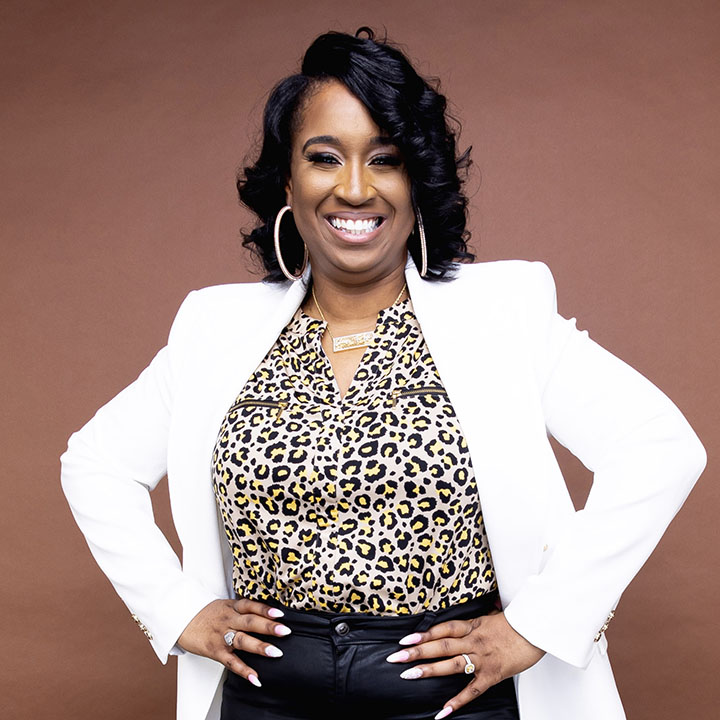
Destinee Williams, DPSCD’s assistant director of Parent Leadership and Community Engagement, said the council grew from students asking for precisely that kind of access.
During student leadership workshops, young people expressed a desire for a place to speak for themselves and help ensure district decisions reflected their needs. Williams said Chief External Engagement Officer Sharlonda Buckman developed DEYC in response approximately five years ago.
The council brings together one or two representatives from each of DPSCD’s 24 high schools, Williams said. Students meet monthly from October through May for leadership and professional development, provide feedback to district departments, and help plan the Student Empowerment Experience (SEE) conference.
Williams said their participation has helped shape district work. When students reviewed an early proposal for high school diploma pathways, they challenged parts of the plan and recommended changes. The team took their feedback back , she said.
For Williams, asking students to evaluate a proposal means being prepared to hear what they believe needs fixing.
“There’s a lot of adults that are working in the district and in the city and, you know, all these different organizations that are working for you,” she said. “But how often are we actually asking you [the students]?”
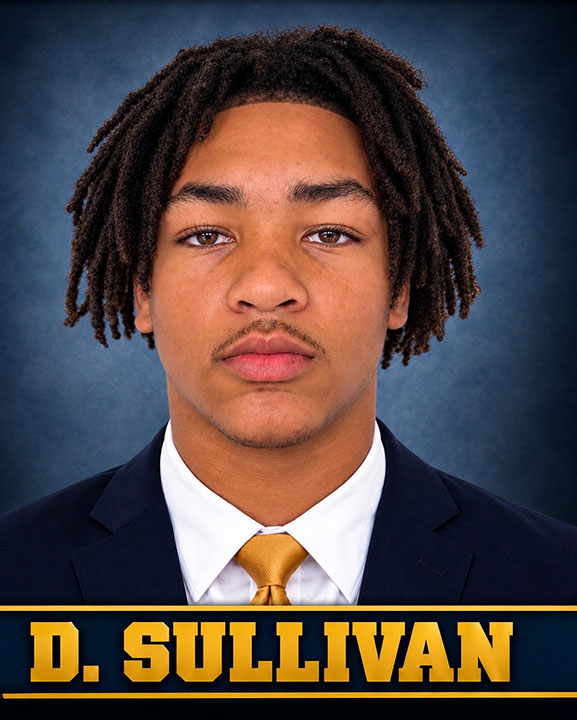
At Denby, Sullivan sees the importance of listening in the relationships between students and the adults who support them.
Sullivan moved from Arizona to Detroit in seventh grade. Sullivan’s father, a Detroit native who works at Denby, recently asked the family about the importance of father figures and strong support systems for young people.
The question brought to mind educators whose influence extended beyond their positions as teachers, coaches and administrators. Sullivan described watching adults at Denby become sources of guidance for students and helped them to change direction.
That example of service connects with Sullivan’s own interest in leadership.
“I love to lead,” Sullivan said. “I feel like that’s a calling for me.”
A student council participant since sixth grade, Sullivan wants to learn from other leaders through DEYC and bring those lessons back to the community.
“It means a lot, just because I love to give back, love to help,” Sullivan said.
Sullivan hopes to become an endocrinologist. Jenkins wants to become an emergency room doctor. Harris plans to pursue law. Their ambitions share a commitment to helping others, and their council roles provide them with opportunities to practice that responsibility while still in high school.
For Harris, that includes learning to trust her own knowledge.
Williams recalled Harris texting questions during her first board meeting as a student representative, to make sure she understood the discussion. After Harris presented her report, Williams reminded her that being a student gave her valuable expertise.
“You know the DPSCD experience more than anybody else in this room,” Williams recalled telling her.
DPSCD has three student board representatives, Williams said. They do not vote, but they contribute student perspectives during board business.
Harris also encourages young people to attend candidate events and public discussions, where they can ask questions and hear directly from people seeking to represent them.
“Youth being there is what puts us into the conversation,” she said.
As adults prepare to vote, Harris wants fellow students to recognize the opportunities they already have, to participate, and learn how to create more.
“Through DEYC, I want to learn how to create those opportunities even when they don’t seem like they’re there,” she said.
Related Resources